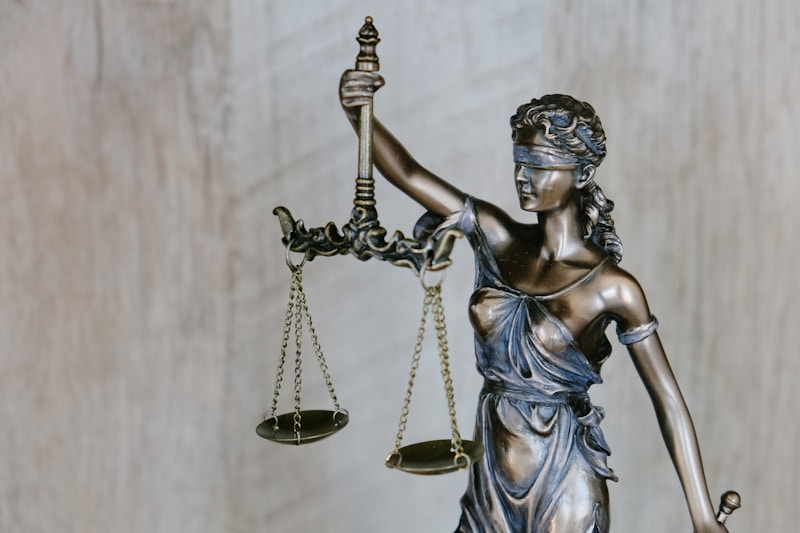
The Bill of Rights: Your First 10 Amendments
A deep dive into the first ten amendments that protect individual freedoms and limit government power.
Why the Bill of Rights?
Many states refused to ratify the Constitution without guarantees of individual rights. James Madison drafted 12 amendments, 10 of which were ratified in 1791.
The Amendments
1st Amendment — Freedom of religion, speech, press, assembly, and petition
2nd Amendment — Right to bear arms
3rd Amendment — No quartering of soldiers in homes
4th Amendment — Protection against unreasonable searches and seizures
5th Amendment — Rights of the accused (due process, double jeopardy, self-incrimination)
6th Amendment — Right to a speedy and public trial
7th Amendment — Right to trial by jury in civil cases
8th Amendment — No excessive bail or cruel and unusual punishment
9th Amendment — Rights retained by the people
10th Amendment — Powers reserved to the states or the people
Why It Matters Today
The Bill of Rights continues to be at the center of many important legal debates and Supreme Court decisions.
Finished reading?
Mark it complete to add it to your progress dashboard.